September 30, 2026
When you adjust the thermostat in your home or office, you likely do not think about the complex network of tubes delivering that perfectly conditioned air. At Ace Duct Cleaning Inc, we spend our days inspecting, maintaining, and optimizing these hidden pathways. The modern HVAC system is a marvel of engineering, but the ducts that make it function did not simply appear overnight. The history of the air duct is a fascinating journey through human ingenuity, architectural advancement, and a growing understanding of indoor air quality. Whether you are dealing with rigid sheet metal or flexible tubing, understanding this history highlights exactly why professional duct work cleaning remains essential for a healthy, efficient home today.
The Roman Hypocaust System
Long before electricity or mechanical fans, ancient civilizations recognized the need to move conditioned air through enclosed spaces. The most famous early iteration of this concept was the Roman hypocaust system. Used primarily in public baths and affluent private villas, the hypocaust was a subterranean heating system. A central fire was continuously stoked by workers, producing intensely hot air. Instead of allowing this heat to dissipate into the sky, the Romans cleverly channeled it through hollow spaces under the floors and inside the walls.
These early ducts were constructed from stacked terracotta tiles, known as tubuli. As the hot air rose through these clay channels, it radiated heat into the rooms above, providing remarkably even warming. While rudimentary by today's standards, this system laid the conceptual groundwork for forced-air heating. Ancient Romans did not have to worry about modern duct work cleaning in the exact way we do today, but removing heavy soot and ash buildup from those terracotta pipes certainly required intense manual labor to keep the heating system drawing air efficiently and safely.
The Transition to Sheet Metal
Following the fall of the Roman Empire, sophisticated central heating took a back seat to simple hearths and fireplaces for centuries. It was not until the Industrial Revolution that channeling air saw a massive resurgence. As factories grew and urbanization exploded, engineers needed safer, more efficient ways to heat large buildings without relying on open flames in every single room.
The transition from stone and clay to metal was a pivotal moment in ductwork history. Tin and early sheet metal became the materials of choice due to their malleability, durability, and fire resistance. Inventors began designing gravity heating systems, where a central furnace heated air that naturally rose through large metal ducts into the rooms above. Later, fan-assisted systems began to emerge, necessitating more complex and tightly sealed duct networks to handle pressurized air. With the industrialization of air movement came the initial realization that dust, coal ash, and industrial byproducts could easily accumulate within these metal channels. Consequently, early forms of duct work cleaning became necessary to prevent blockages, reduce fire hazards, and maintain airflow in massive commercial spaces.
The Rise of Modern HVAC
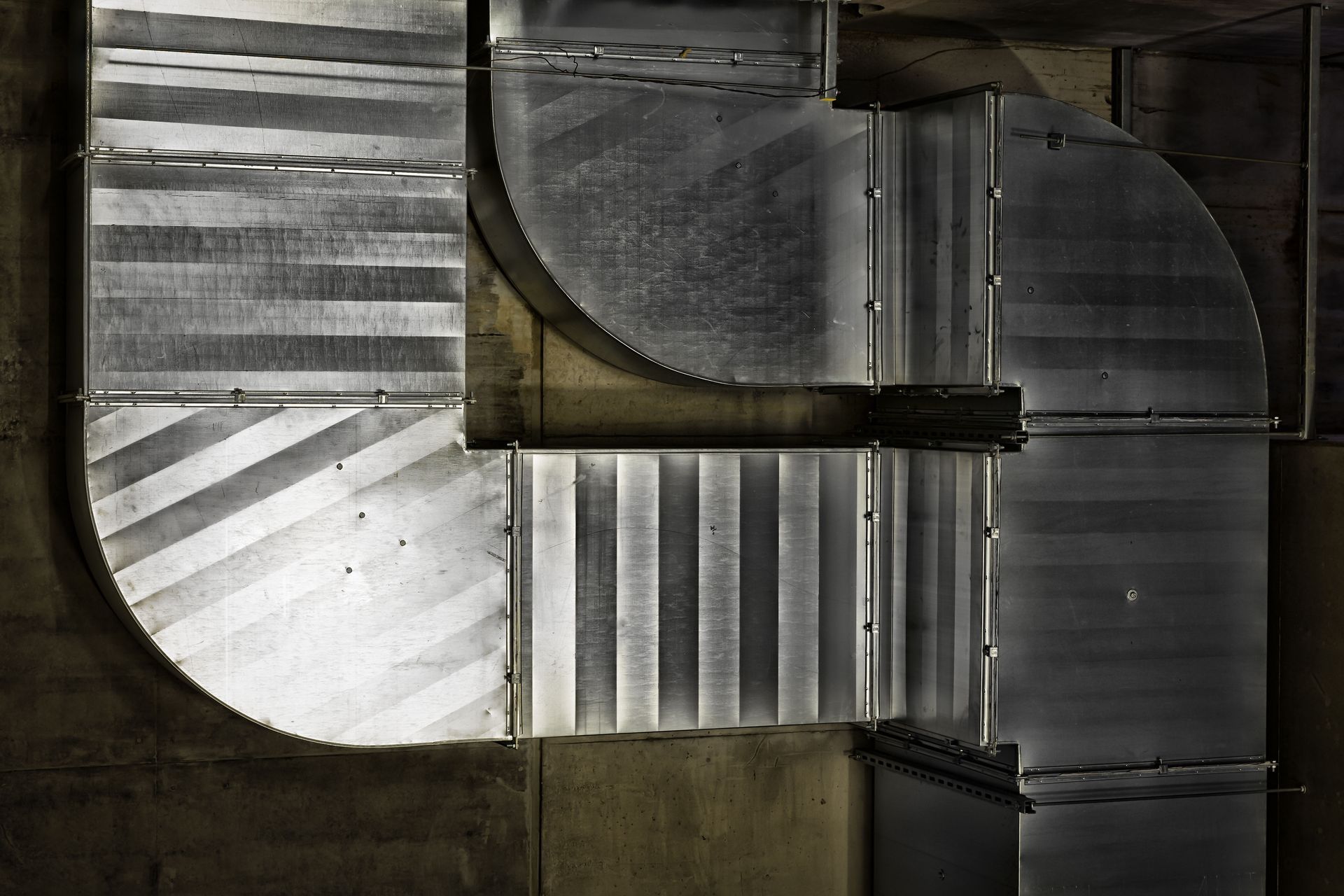
The post-World War II housing boom brought a massive shift in residential architecture. Central heating, and eventually central air conditioning, transitioned from a luxury reserved for commercial buildings to a standard feature in the modern suburban home. During this era, galvanized sheet metal became the absolute gold standard for residential ductwork. Fabricators mastered the art of bending, folding, and sealing rigid rectangular and round metal ducts to route air efficiently through attics, crawlspaces, and wall cavities.
Sheet metal ducts were celebrated for their smooth interior surfaces, which allowed for unimpeded airflow and minimal pressure drop from the furnace to the register. Furthermore, their rigid nature made them incredibly durable and highly resistant to pests. However, as homes became tighter and better insulated to conserve energy during the fuel crisis, indoor air quality became a much more prominent concern. Homeowners began to realize that pet dander, dust mites, and construction debris were circulating continuously through their shiny metal systems. This era birthed the modern HVAC maintenance industry, solidifying routine duct work cleaning as a crucial component of home ownership to ensure both mechanical efficiency and the respiratory health of the occupants.
The Flexible Duct Revolution
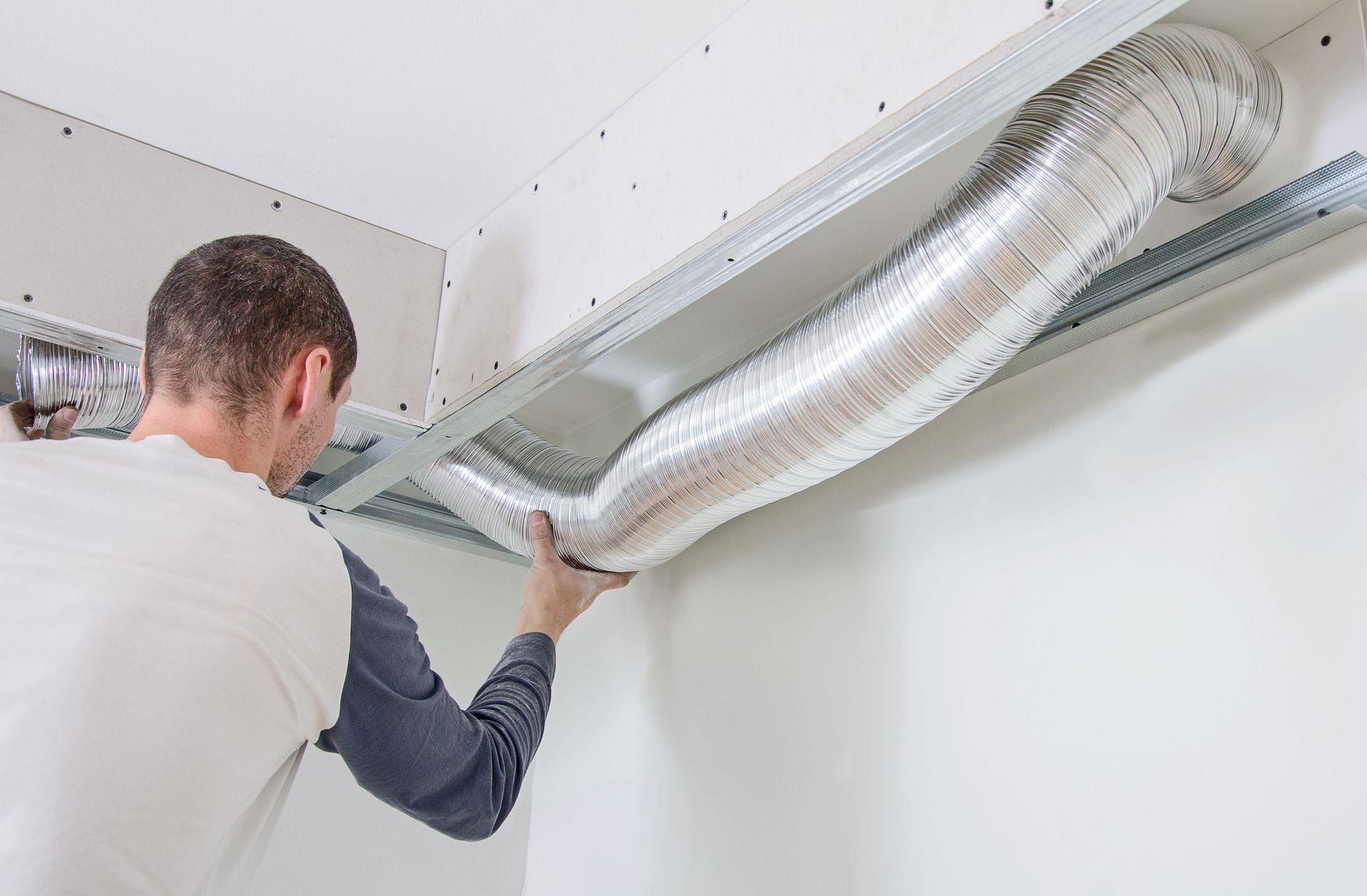
As demand for faster, more cost-effective home construction skyrocketed, the HVAC industry actively sought alternatives to labor-intensive sheet metal fabrication. This led to the introduction and widespread adoption of flexible ductwork. Comprised of a wire helix covered in a flexible plastic or polymer layer, and often wrapped in fiberglass insulation with an outer vapor barrier, flex ducts revolutionized residential HVAC installations. They could be routed easily around obstacles, squeezed into tight attic spaces, and installed in a fraction of the time it took to hang rigid metal.
According to the EPA, flexible duct use has increased significantly since the early 1970s. This shift dramatically lowered installation costs and made retrofitting older homes with central air conditioning much more feasible for the average family. However, this modern convenience came with specific trade-offs. The ribbed interior of flexible ductwork creates more friction than smooth metal, which can slow down airflow if the runs are not properly stretched and supported. Additionally, the delicate inner lining is highly susceptible to tears and deterioration over time. Because of these unique vulnerabilities, highly specialized techniques for duct work cleaning had to be developed. Technicians could no longer use heavy-duty scraping tools; instead, they had to employ gentle, air-driven sweeping mechanisms and high-powered negative air vacuums to safely remove dust without destroying the fragile plastic lining.
The Era of Advanced Materials
Today, the evolution of the air duct continues, driven primarily by strict energy codes, environmental concerns, and a heightened awareness of indoor air quality. Modern HVAC design often employs a hybrid approach, utilizing a rigid sheet metal trunk line for maximum airflow efficiency, branching off with short runs of flexible duct to individual room registers to dampen sound and reduce installation costs.
Duct board, manufactured from heavily compressed fiberglass with a foil facing, now offers excellent thermal and acoustic insulation properties, though it requires specific handling to keep the fiberglass intact. We are also seeing the dawn of "smart" duct systems, which incorporate automated dampers that open and close based on real-time zoning needs, communicating directly with smart thermostats to optimize energy usage room by room. Aeroseal technologies have also emerged, allowing technicians to seal microscopic leaks from the inside out using aerosolized polymers. Despite these massive technological leaps, the fundamental reality of circulating forced air remains exactly the same: dust, allergens, and microbial growth will inevitably find their way into the system. High-tech materials do not negate the need for maintenance; in fact, maintaining the pristine condition of these highly calibrated systems makes thorough duct work cleaning more important than ever before.
The Importance of System Maintenance
Every time your blower motor engages, it pulls in microscopic debris from your living space, much of which ultimately settles in the dark, temperature-controlled environment of your ductwork. Over time, this cumulative buildup forces your HVAC unit to work much harder to push air into your rooms, driving up utility bills and significantly shortening the lifespan of expensive heating and cooling equipment. Neglecting this critical infrastructure can lead to consistently poor indoor air quality, exacerbated asthma and allergies, and a perpetually dusty home. Whether your property features vintage sheet metal, modern fiberglass board, or extensive flexible tubing, investing in professional duct work cleaning is the single most effective way to honor the engineering of your HVAC system while actively protecting the health of your family.
The air duct has come a remarkably long way over the last two millennia. It has evolved from simple clay channels heated by open fire to highly engineered networks of metal, fiberglass, and plastic delivering precise, thermostat-controlled comfort to every corner of a building. As the technology continues to advance, so do the exacting methods required to keep these systems sanitary, functional, and efficient.
Contact us today to schedule a comprehensive system inspection, and experience firsthand the profound difference that expert duct work cleaning can make in your daily comfort and overall well-being.